



What is difference between SD card and memory card?
 Apr 17, 2024|
 SD card:
SD stands for Secure Digital, and SD cards are removable memory cards that can be used to store and transfer digital data. SD cards are commonly used in electronic devices such as digital cameras, smartphones, tablets, and portable game consoles. They can be used to expand the storage capacity of your smartphone or tablet, allowing you to store more photos, videos, apps, and other files.
It stands for Secure Digital and is a memory card format developed by the SD Association. SD cards are currently divided into three tiers, describing the storage capacity range: Standard SD cards have a maximum capacity of 2GB; SDHC (High Capacity) cards have a capacity range of 4GB to 32GB, and SDXC (Extended Capacity) cards have a capacity range of 64GB to 1TB (capacity Eventually up to 2TB).
SD cards come in three sizes: standard, mini and micro. They are also divided into five families: Standard Capacity (SDSC), High Capacity (SDHC), Extended Capacity (SDXC), Ultra High Capacity (SDUC), and SDIO.
SD cards have high data transfer rates and low battery consumption. They are also sturdier than traditional spinning hard drives because they have no moving parts.
SD cards are used in a variety of mobile electronics, computers, cameras and smart devices. For example, if you shoot 4K video, you'll most likely want an SDXC card, as its maximum capacity of 2TB is sufficient for optimal video recording performance.
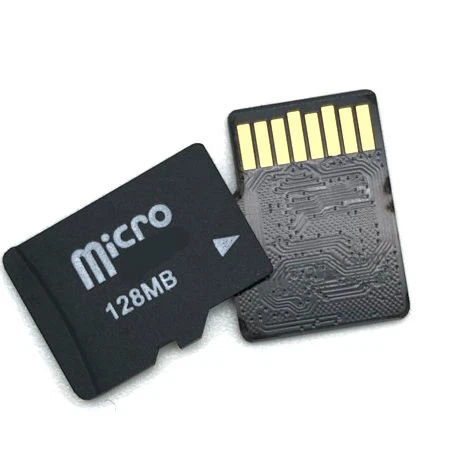
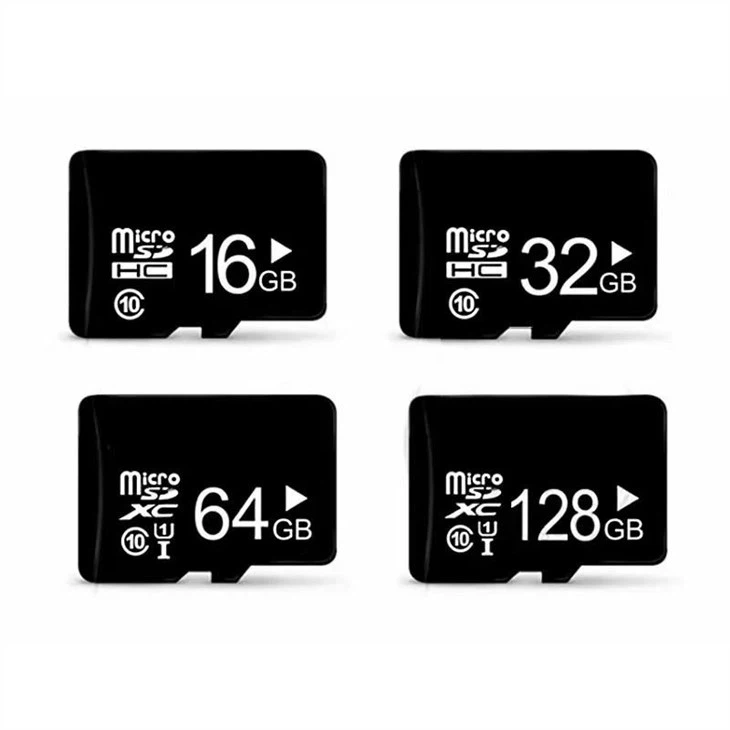 TF Card for Dash Cam

Memory card:
A memory card is an electronic data storage device used to store digital information, usually using flash memory. They are commonly used in digital portable electronic devices such as digital cameras and many early game consoles such as the Nintendo Wii. They allow memory to be added to such devices using a card in a slot rather than a protruding USB flash drive.
A memory card, also known as a flash memory card, is an electronic device that stores digital data. They are used in many electronic devices, including personal computers, digital cameras, camcorders, drones and mobile devices. Memory cards are commonly used to store photos, videos, and programs, as well as to transfer data between handheld computers.
Common types of flash memory cards include SD cards (including microSD), Sony's Memory Stick, and CompactFlash.
Memory cards may have different form factors, connectors, bus standards, or PCI lanes, which make them look different and perform differently, but the basic working principle remains the same. The fastest memory cards, like the slowest, still utilize flash memory technology to store digital data. It's just better at it.
So, if you open any memory card, you will always find two things: the controller and the NAND flash chip. NAND stands for NOT AND logic gate, but that's a topic for another blog post. What you need to know here is that the controller is responsible for managing the data (reading and writing), while the memory chip is responsible for storing the data.